Gardening, landscaping and plants in general
-
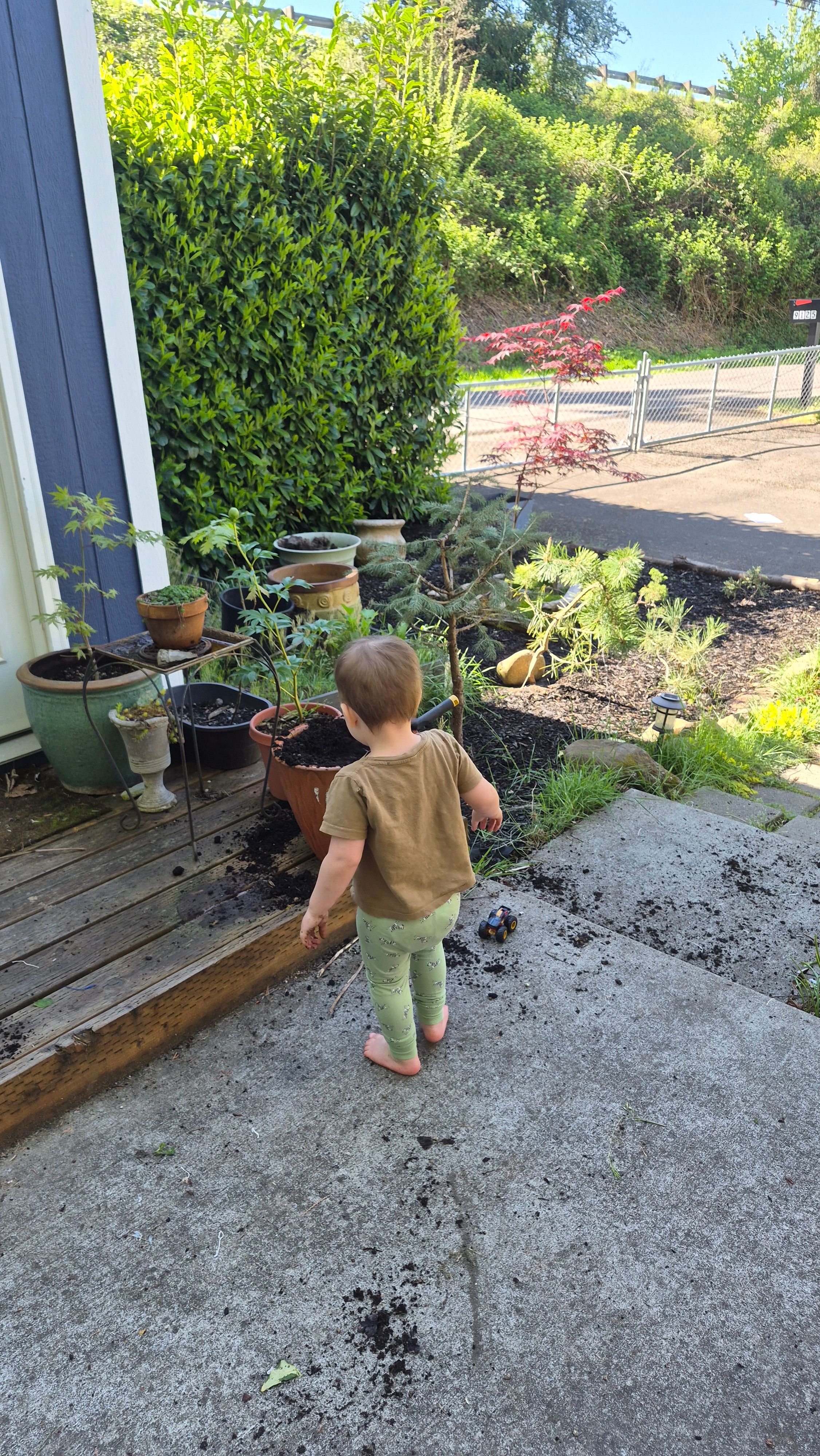
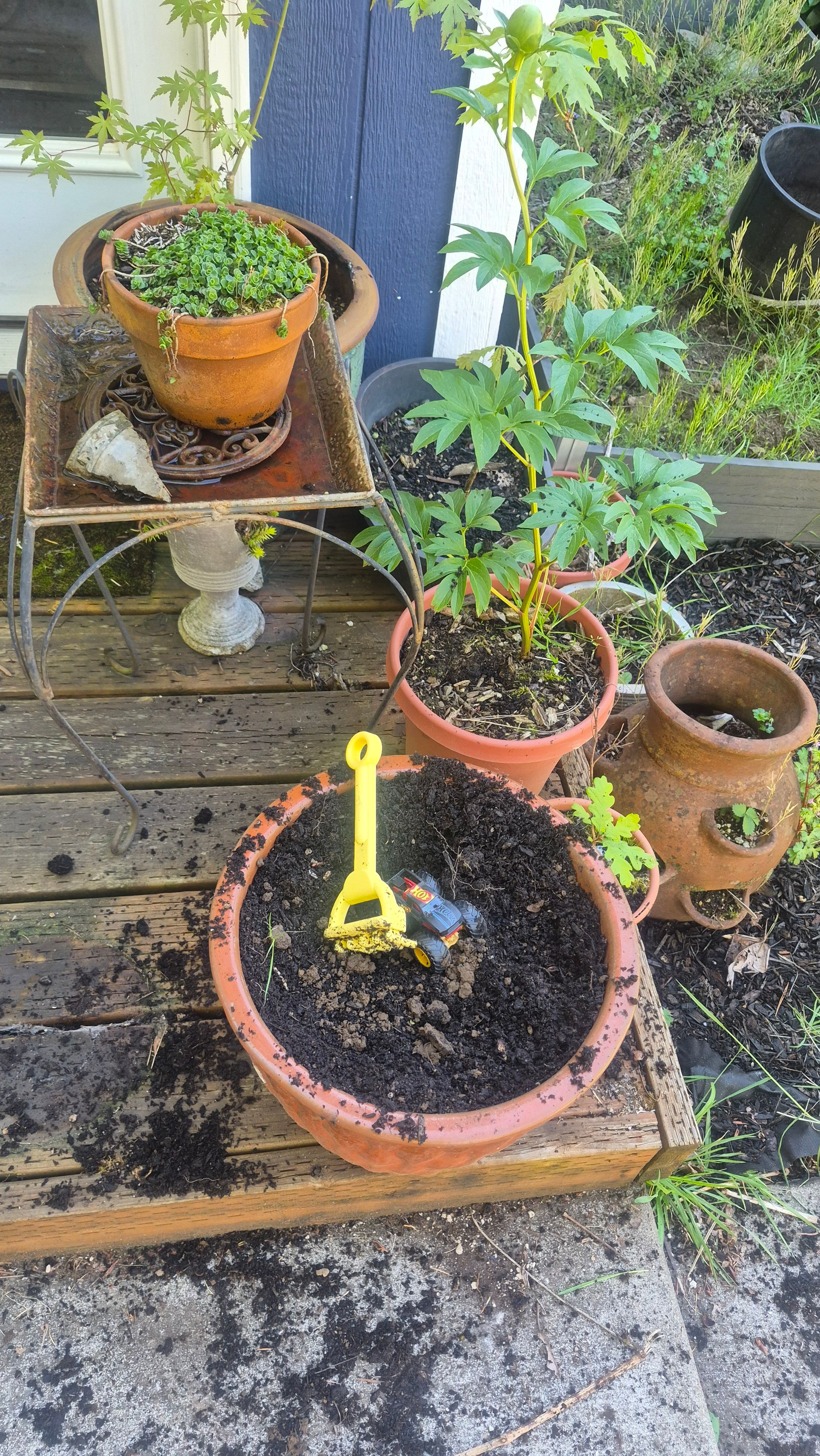
@northsouthdenimguy oops, totally thought you were talking about the bigger plants in the first pic. Yeah scratch the lighting--i imagine it's the same for the most part. The wet feet could definitely be a culprit, especially if you say that is where a lot of storm runoff goes.
Could potentially have some root rot going on. Root rot is generally a fungal thing caused by too much water. A thick layer of mulch can hold onto all that extra water for a long time too. It's still relatively small, so you could probably pull it out and check it out with not too much transplant shock. If you do pull it out, check out the roots. White and light brown are good roots. Really dark brown/black roots and potentially an odor is root rot and bad roots. If there are a lot of black roots you can try pruning those with some clippers. If you see the black affected roots, you at least not what the problem is and how to fix it. If all the roots look happy and healthy it may be something else.
When it comes to planting/replanting (shrubs/trees), the hole you make, makes a big difference too (didn't realize until I studied for the arborist exam). You want to think of a shallow bowl. The depth not exceeding the current root ball and tapering to the edges. Majority of roots are in first couple inches of soil surface. You don't want hard pack, but you don't want super loose soil either. And hand pack and water it as you back fill it. Too loose soil can lead to too big of air pockets, and heavy compacted soil can remove needed pore space. Also, you want your root collar/trunk flare above the soil surface (the transition of trunk to roots/widest part of trunk). And a little extra above soil surface, because over time with watering, soil settling, and mulch breaking down the soil level will increase. The above planting tips are especially useful for plants that tend to have over water problems.
Soil for planting trees and shrubs should also have a high content of native soil of where it is going to be planted, not just the nutrient rich soil you can buy. If you only use super fluffy bought soil and plant in kind of clay or compacted native soils, it can almost act like a barrier where the roots won't want to extend into the native soil, and can act like a bowl collecting water where water doesn't want to penetrate beneath your fluffy bought soil until saturated. I generally try and do about 50/50 nice soil to native soil, and use a hand tool to break up the glazed/compact edges of the planting hole. You can even do all native soil...spooky I know. Just throw some of your fancy soil or soil amendment as a top layer to decompose and provide nutrients to the soil beneath it. And organic mulch helps feed the soil nutrients as it breaks down too. With mulch just don't over do it, and know if your plants are ph sensitive (eg I use tons of redwood litter as mulch because it never ends and is free lol, but it is also acidic so I only use for acid loving plants).
Hope these tips help you @northsouthdenimguy , and anyone who plants a tree/shrub in the future.
-
Thanks for the pointers, definitely going pull it and replant it with your recommendations on the process.


-
One last quick tip with transplanting. The more established something is the more transplant shock it will go through. Generally late winter/early spring is best time to reduce transplant shock. And if you plan on transplanting something and can be patient. You can root prune with a spade the year or 2 years before transplant to help reduce transplant shock (more important with transplanting something more big and established). Plants do the majority of their root growth in the fall and winter.
-
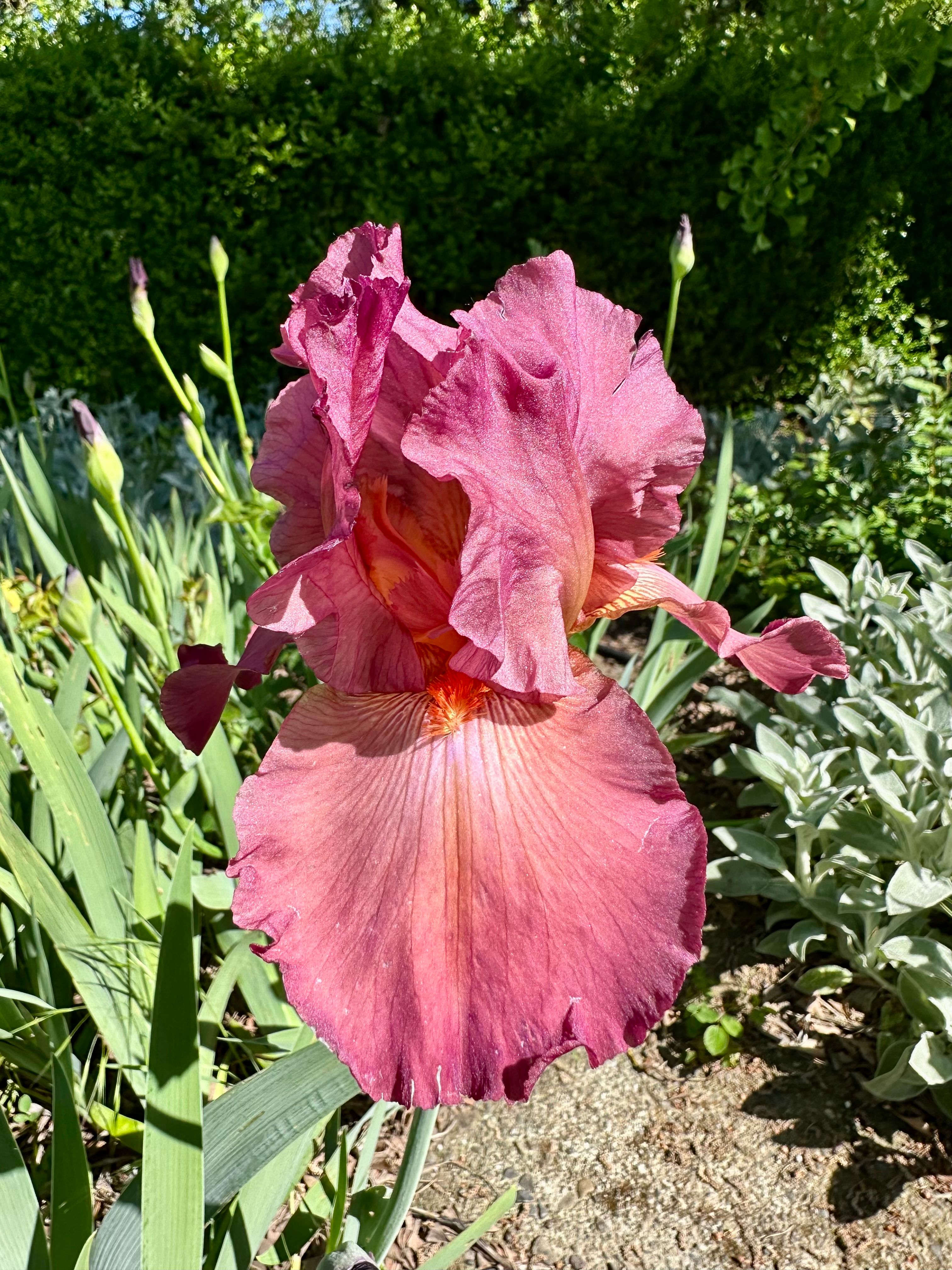
First one of the season:
-
@SFMCfranky Nice.
-
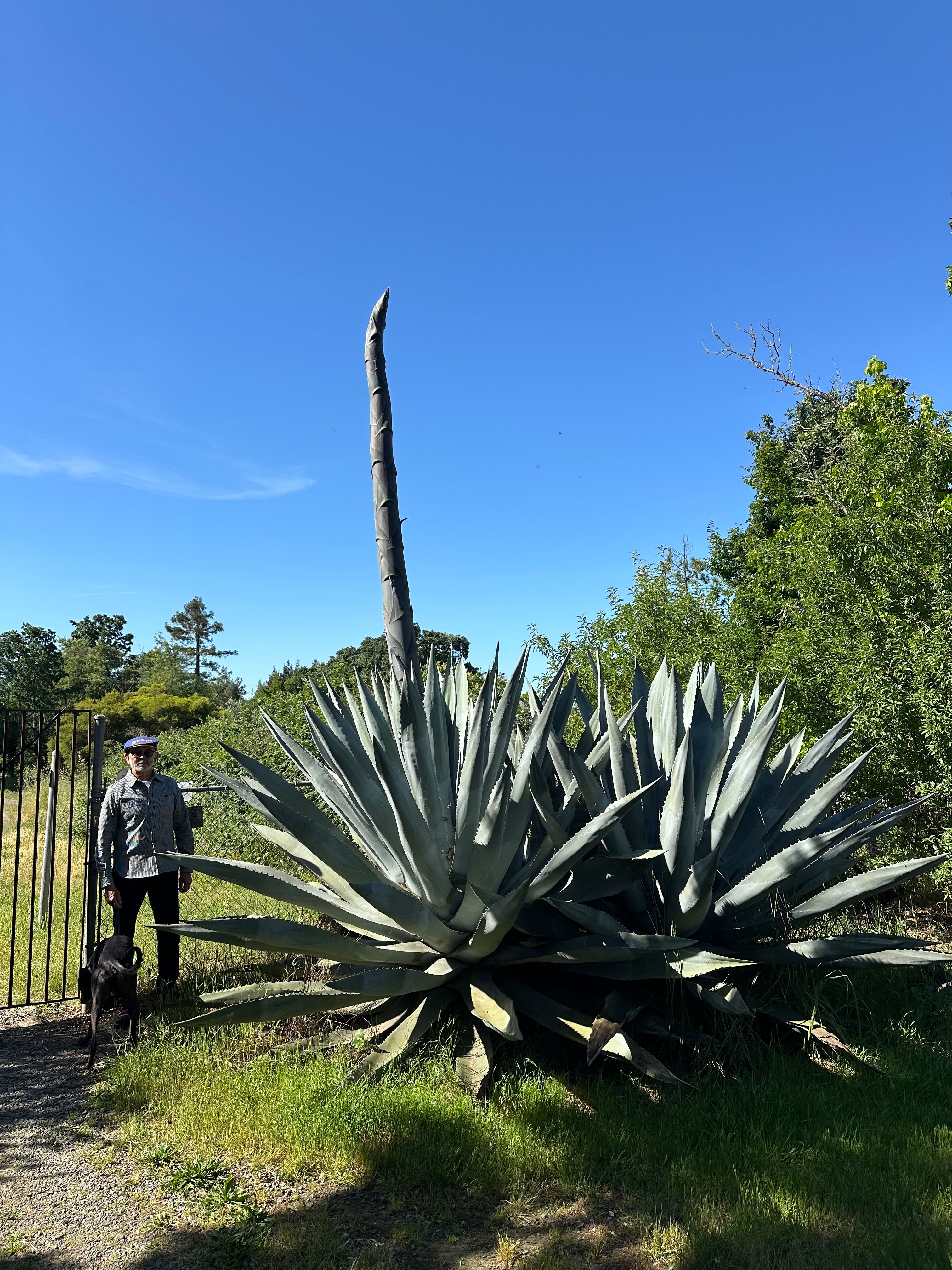
Shit’s getting serious here at Rancho Morales:
-
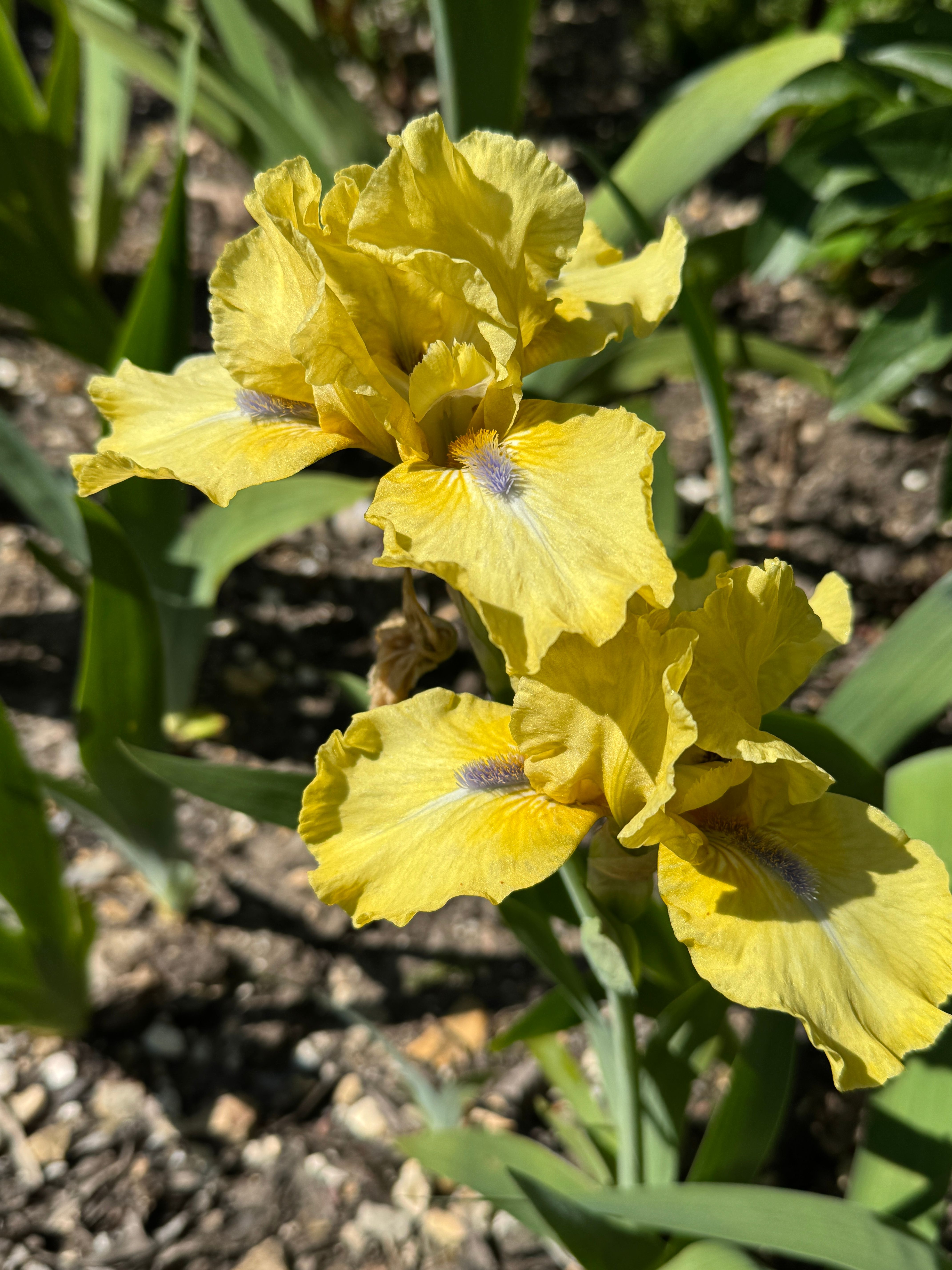
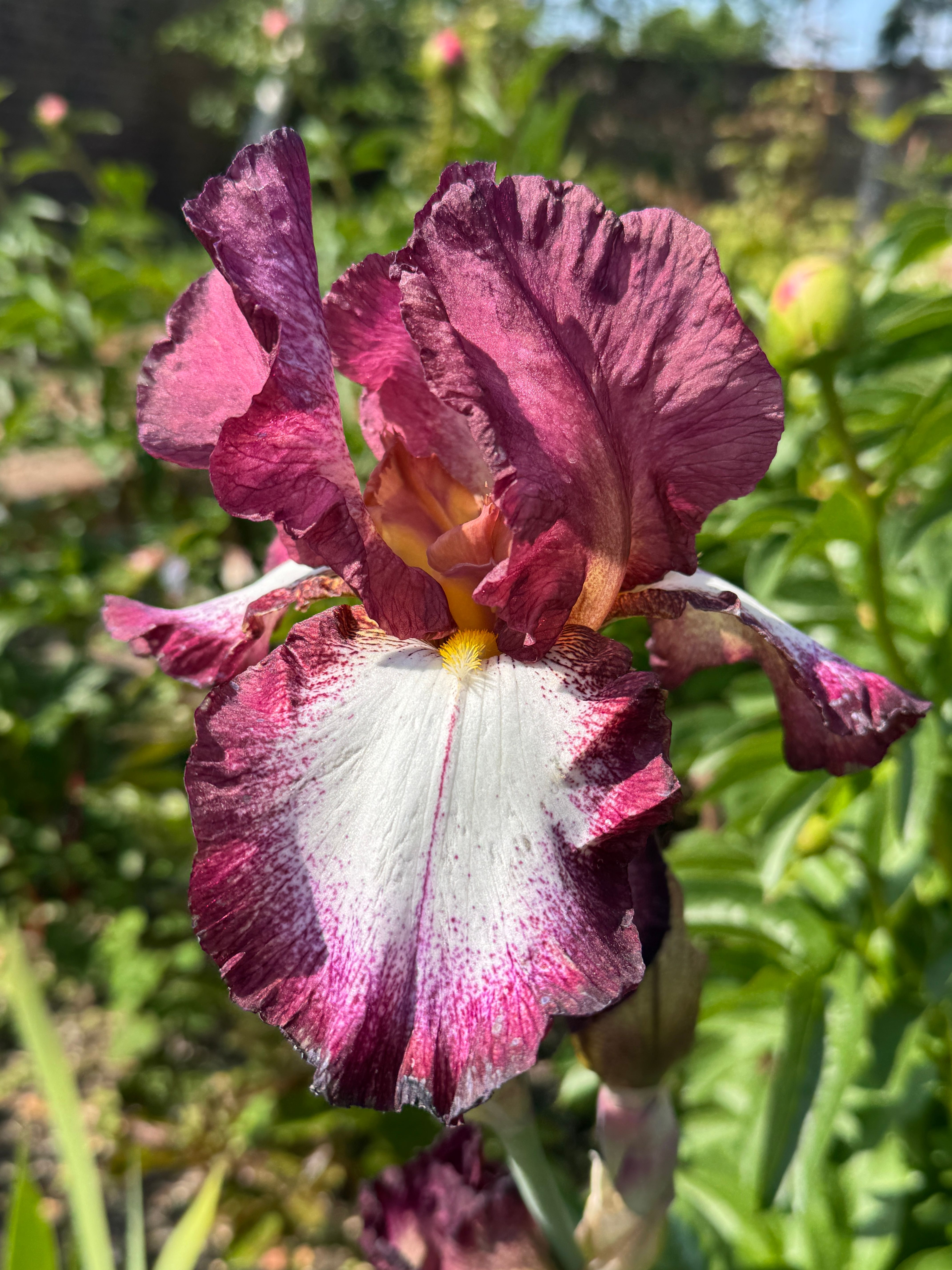
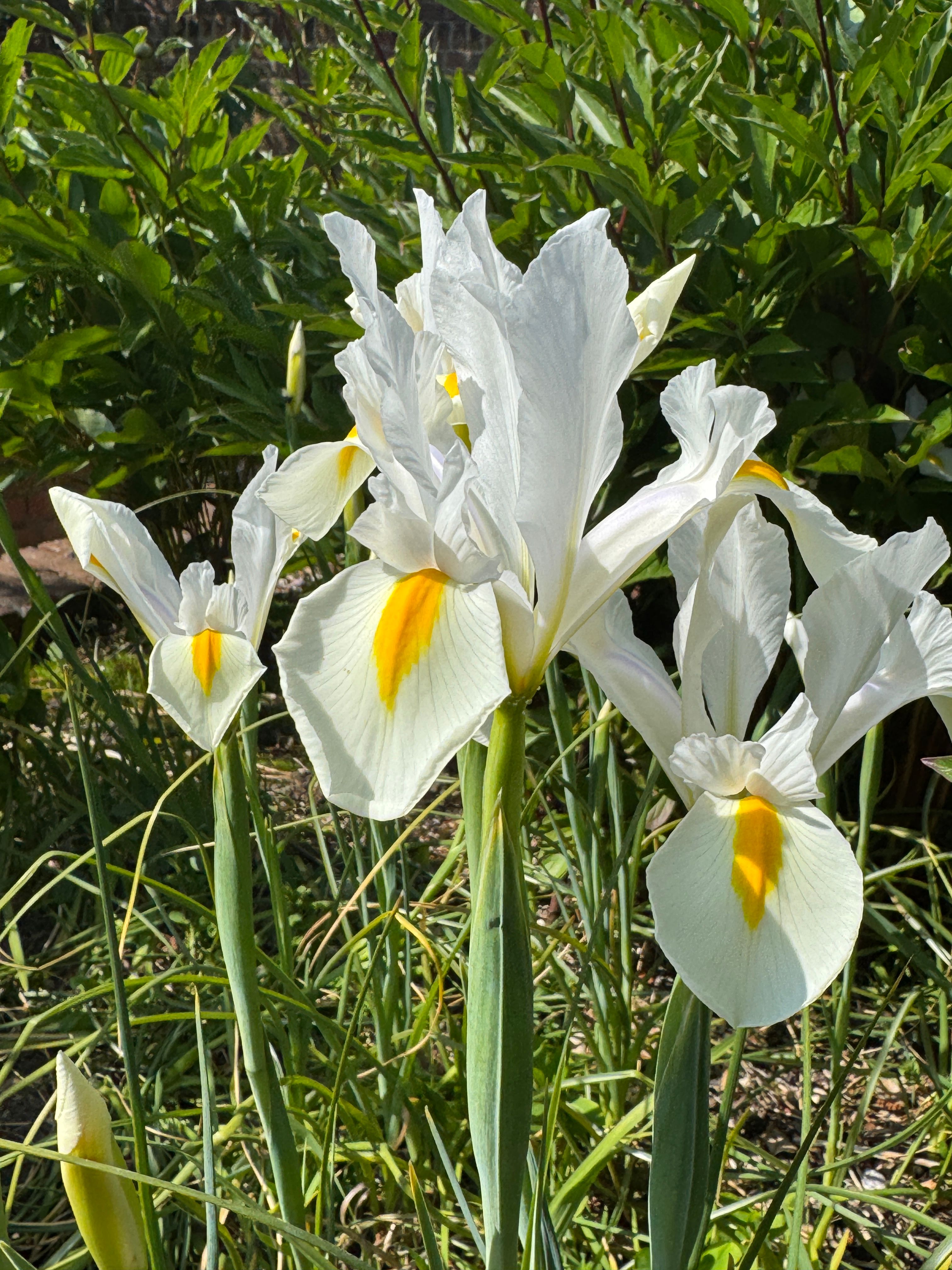
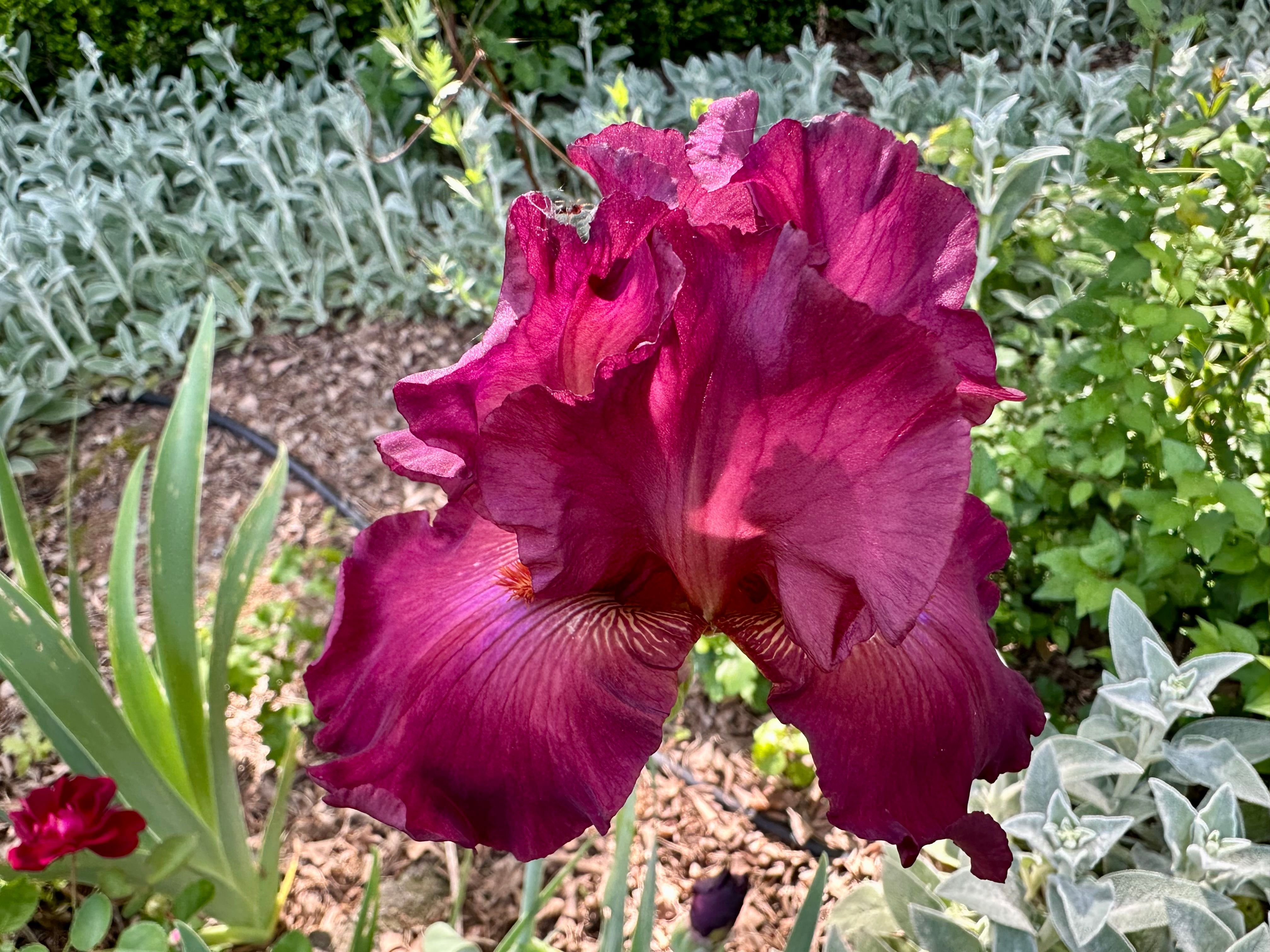
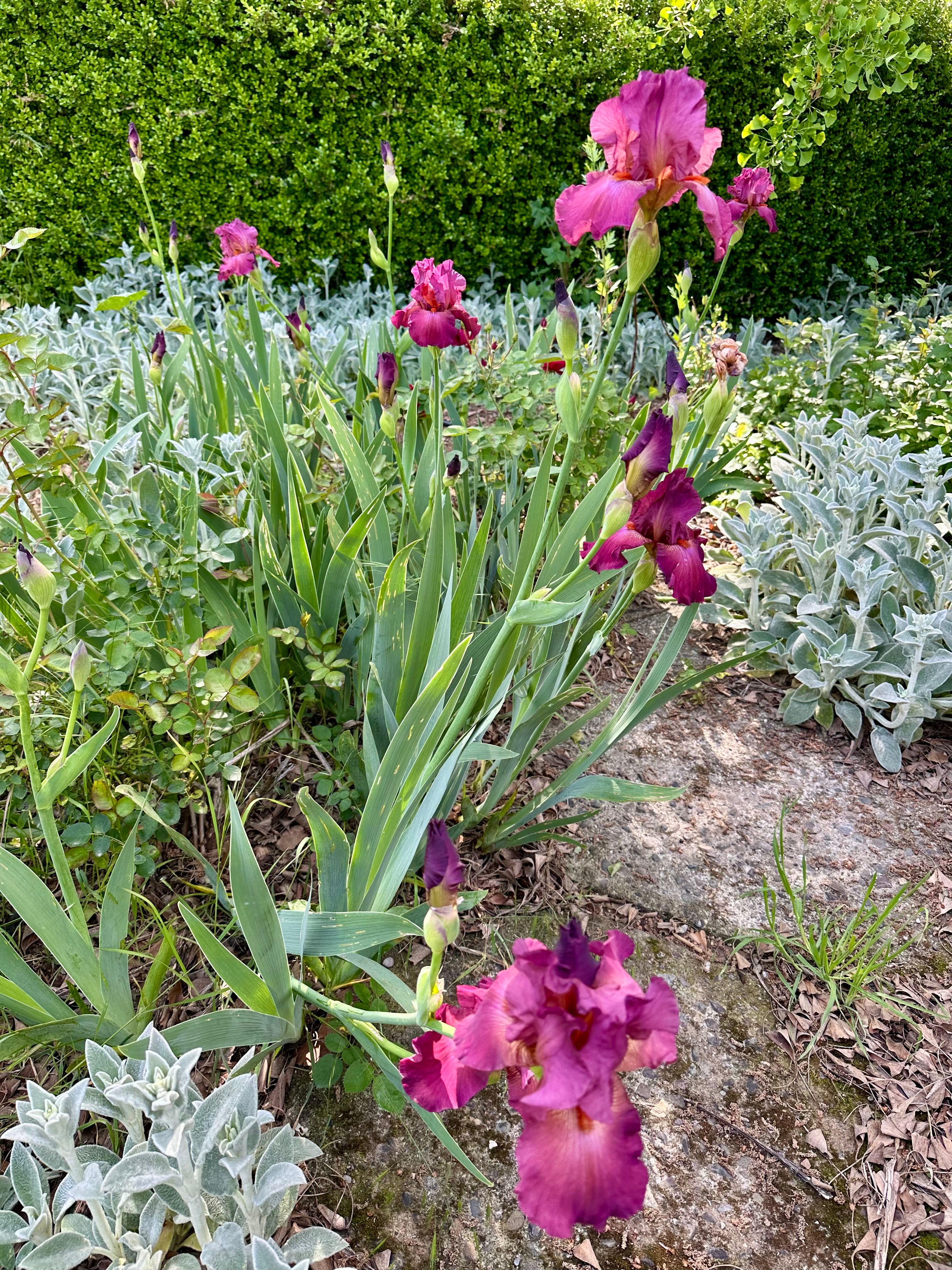
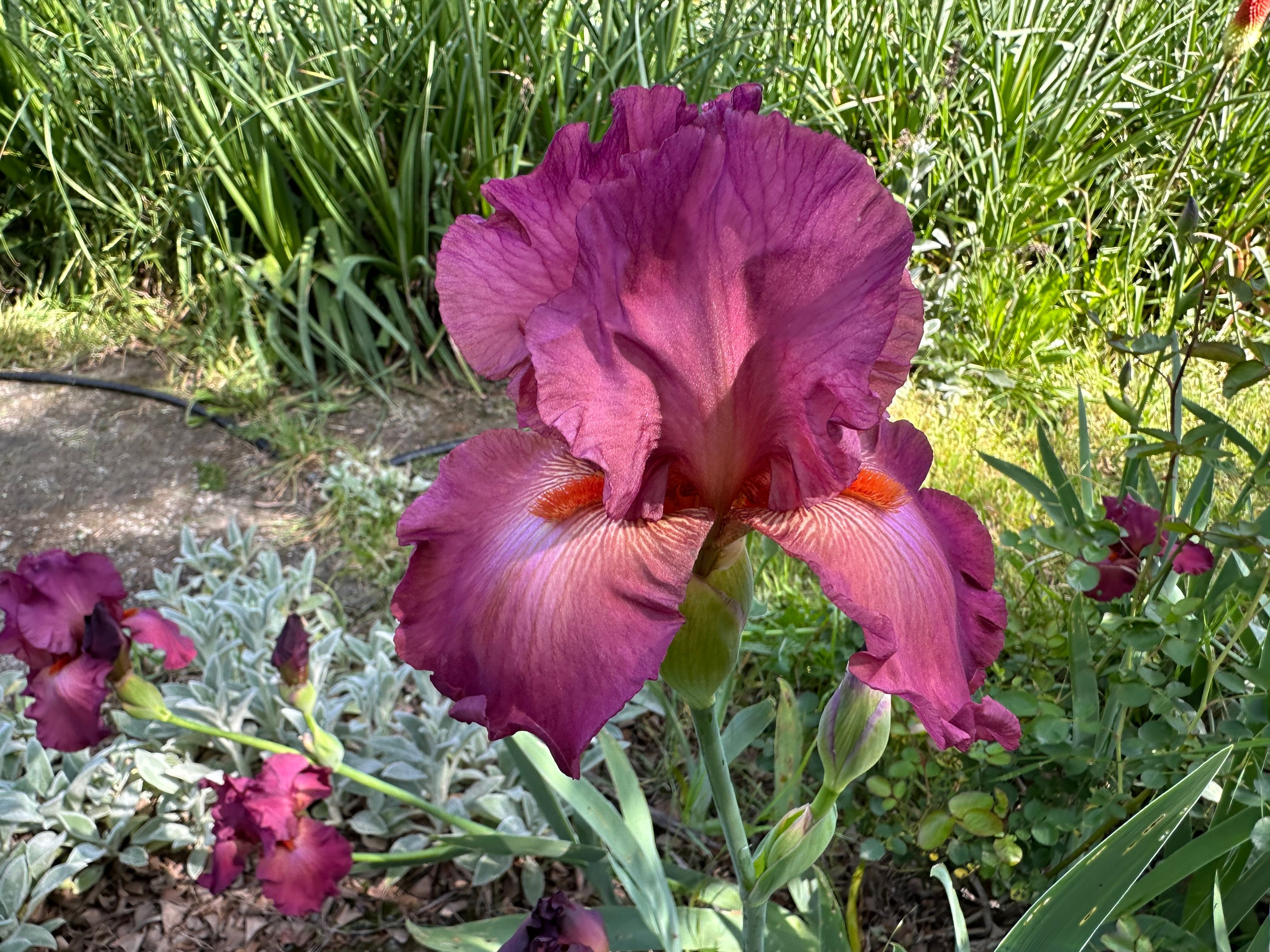
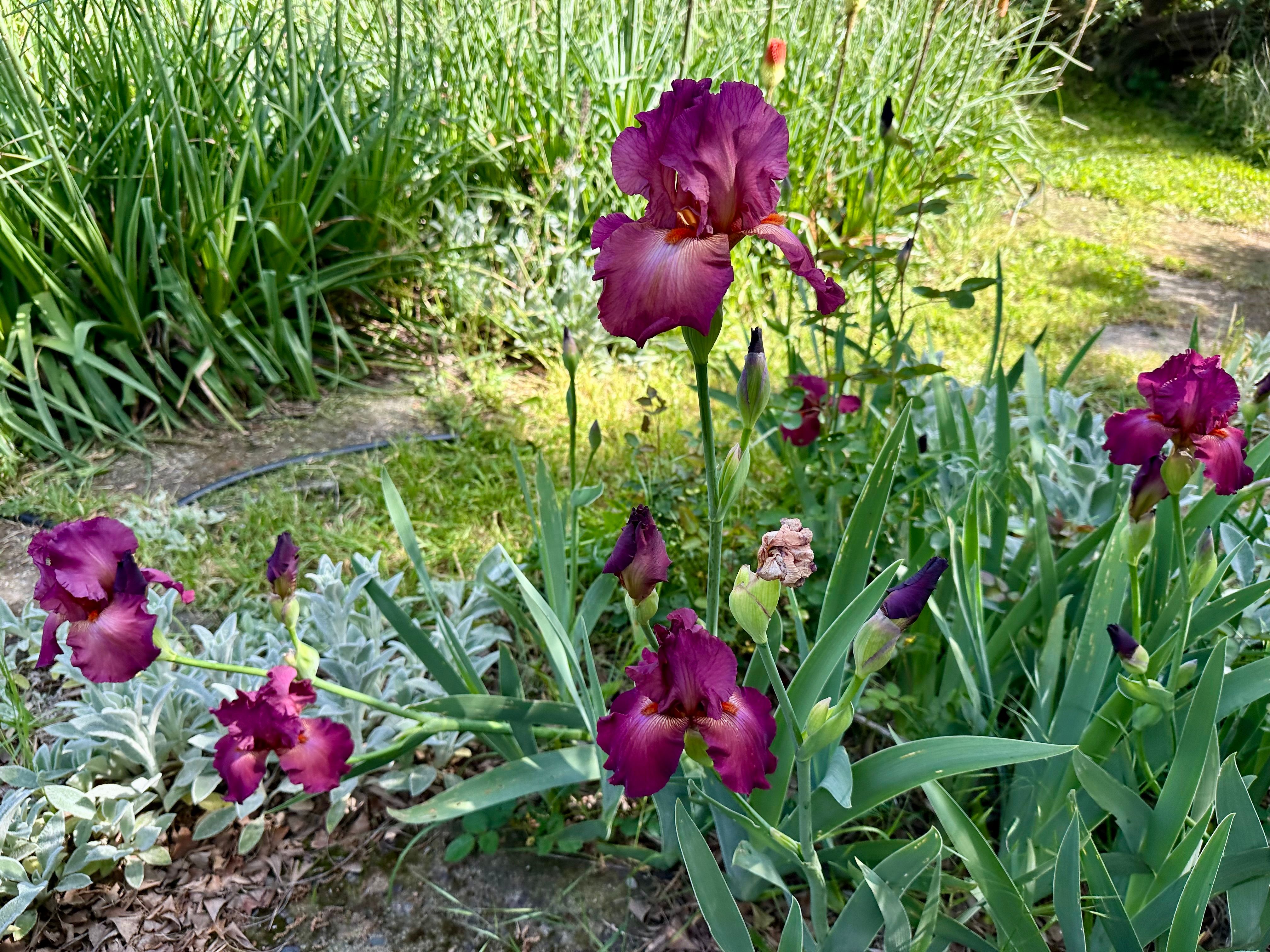
My fav irises are really popping now.
-
This post is deleted!
-
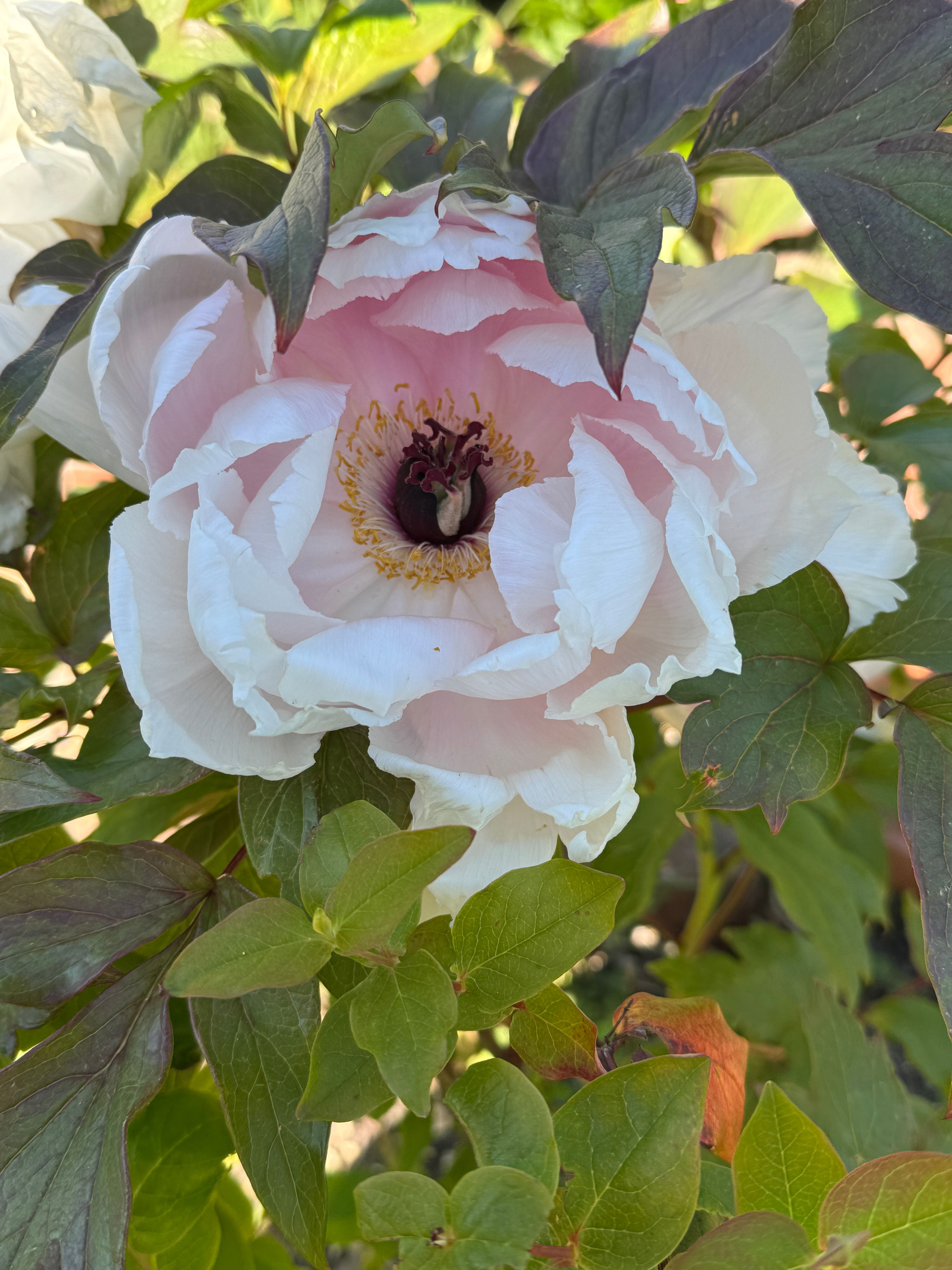
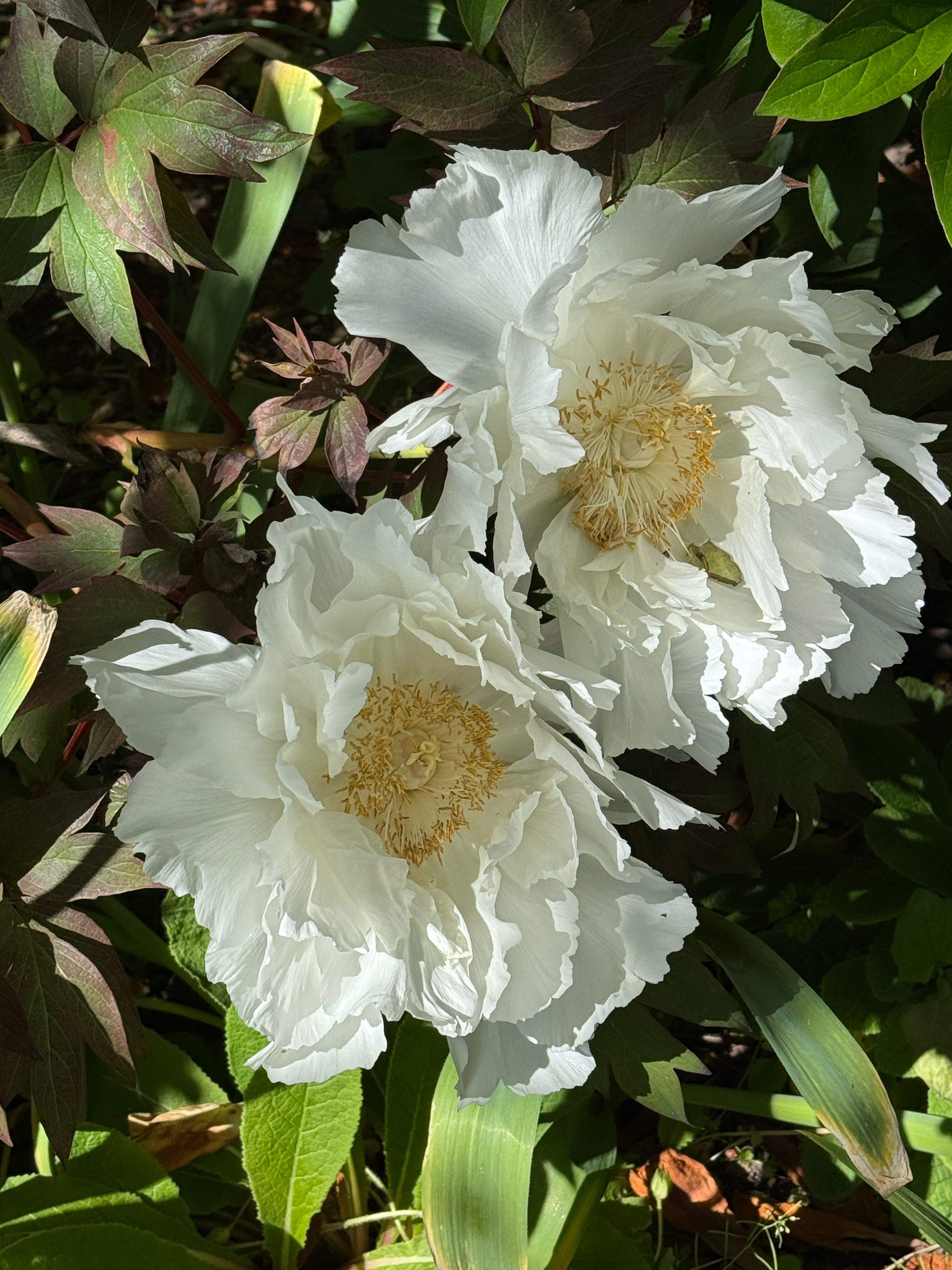
Beautiful blooms. But brief.
-
Got this season’s tomatoes into the ground this morning.
8 San Marzanos for canning and
1 Big Rainbow, 1 Old German, 1 Brandywine, 1 German Johnson and 2 Sungold cherry tomatoes for eating off the vine.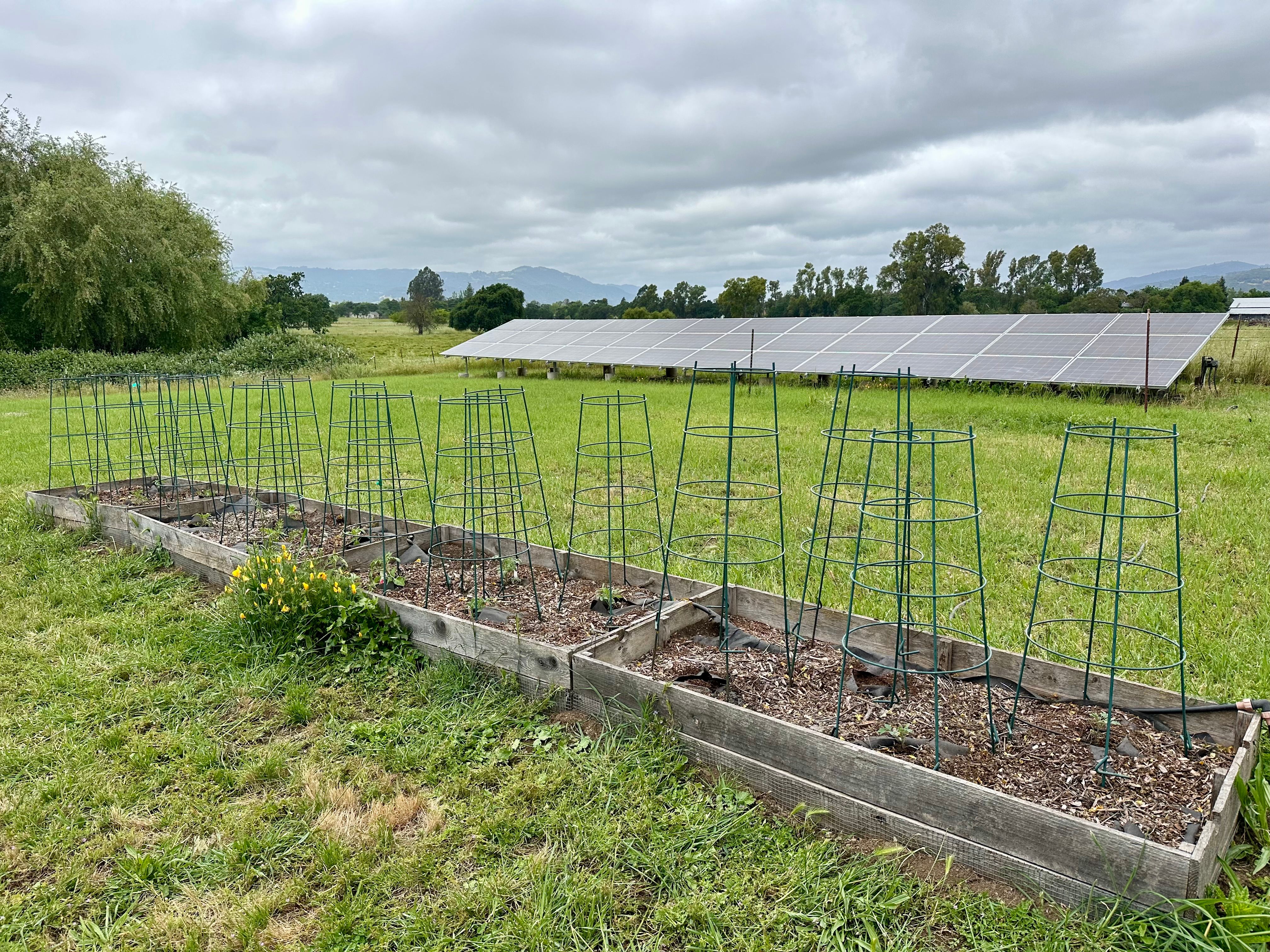
-
@SFMCfranky nice setup - I started some San Marzanos as well but they're still pretty weedy despite being started in a propagator, so I am rather jealous haha
-
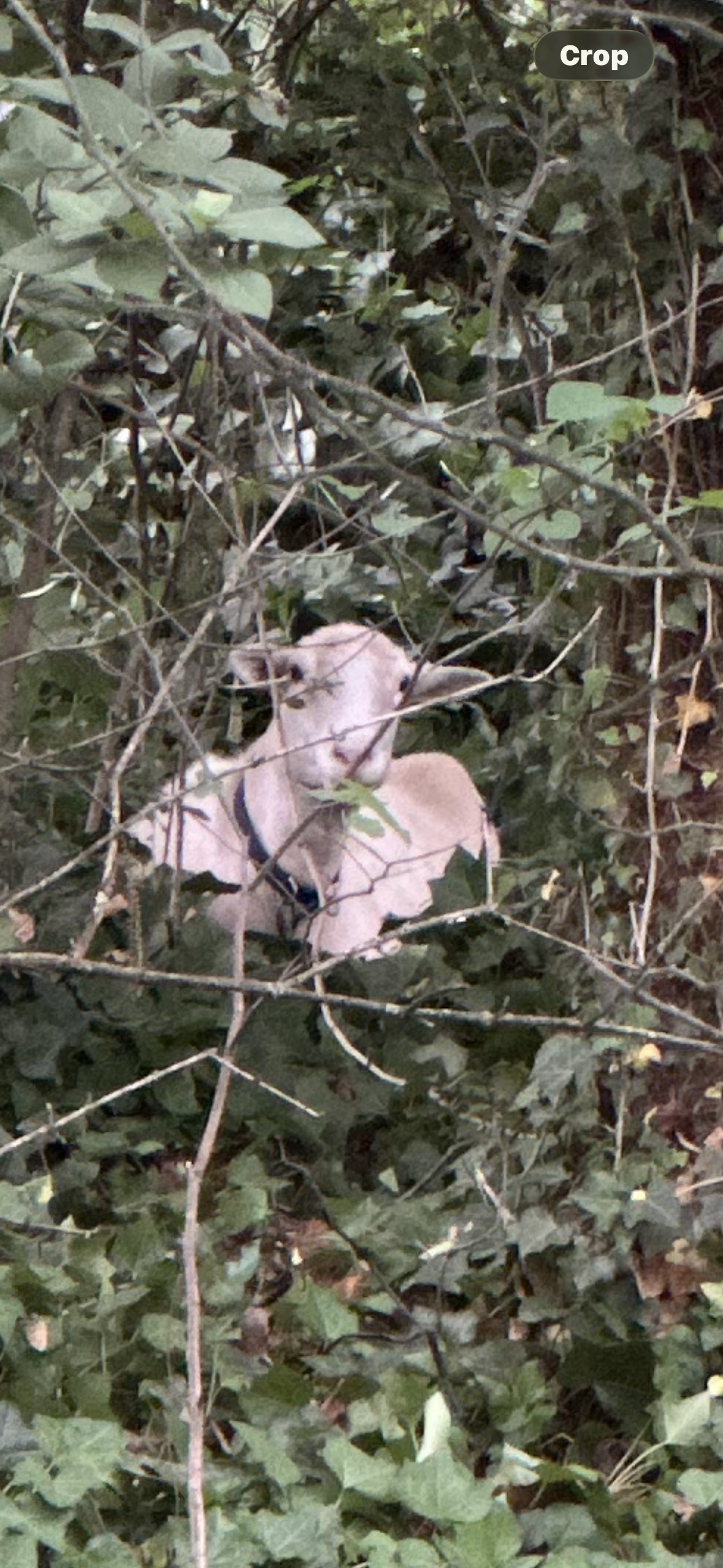
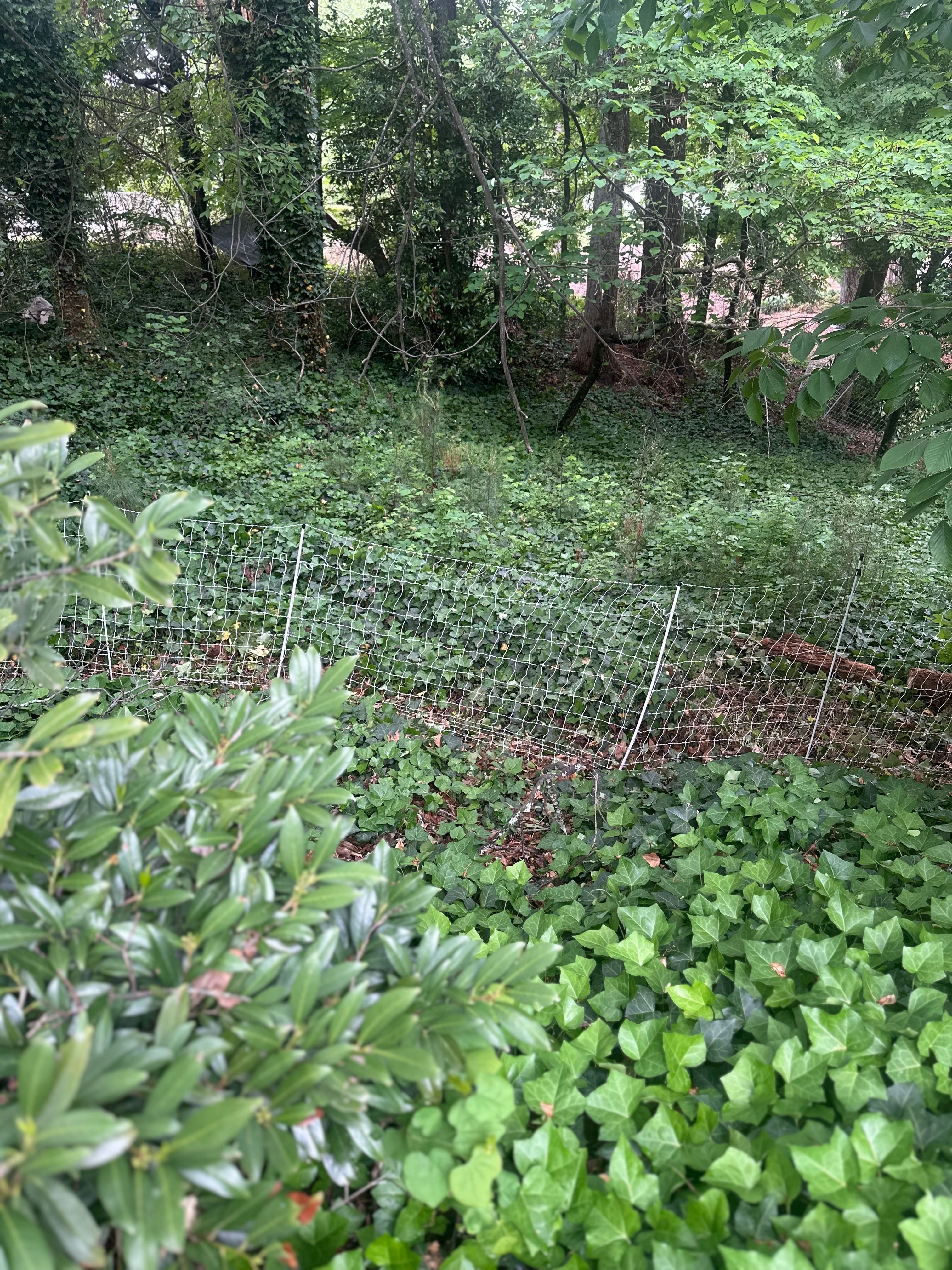
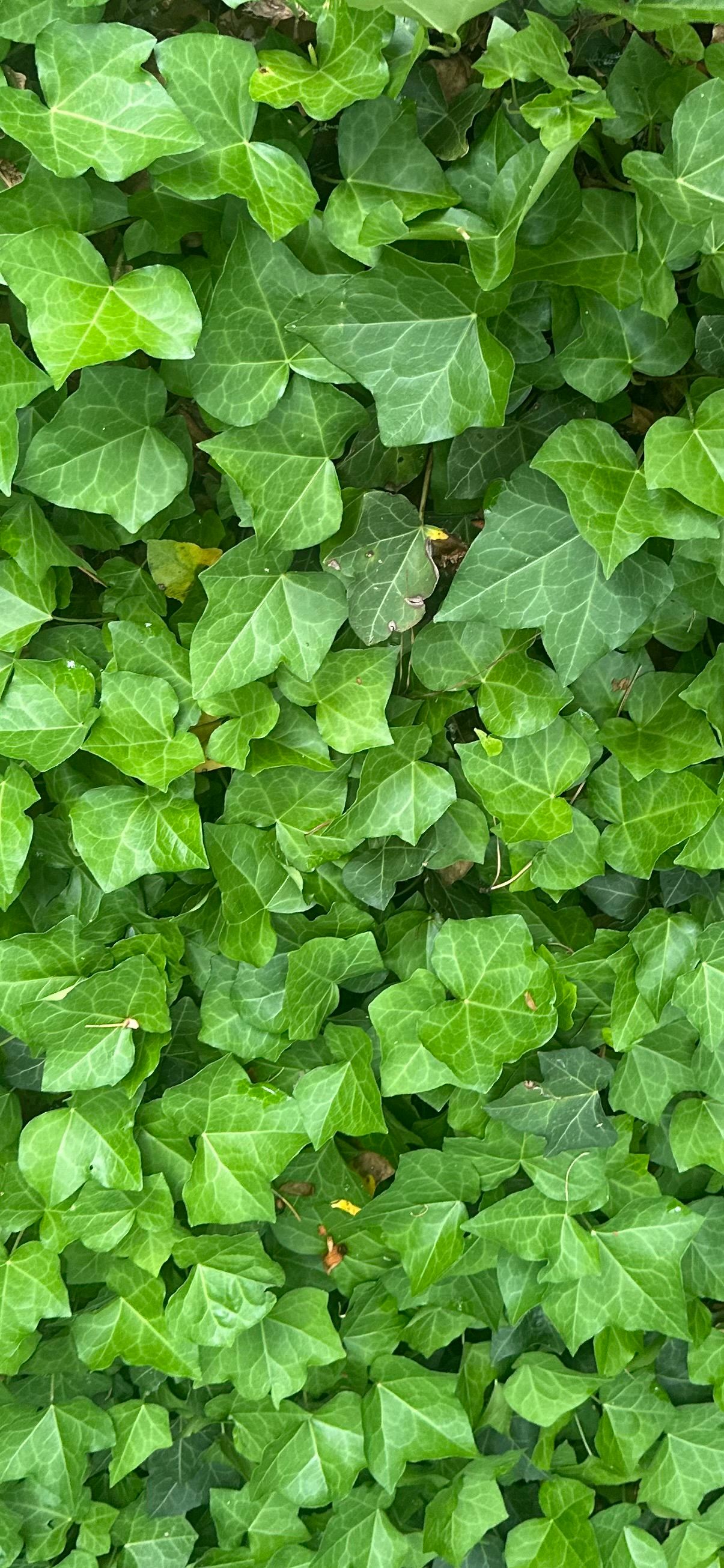
My neighbors had a company fence off the lot next to me (owned by a developer), and now there are four goats just chilling in there eating the ivy