Gardening, landscaping and plants in general
-
-
Amazing!
I have a few but have to keep them in pots. They are not quite hardy enough to leave out over winter where I am.
-
Thanks. I hope the ones I plant are here for generations after I am gone.
-
Century plants are cool, but If you're planting them, please do so away from powerlines. Those stalks grow so quick and tall they can grow into a power line quickly.
777S-21 |777SST | 634S-142ib-c | 634XHS | 634UHR | IHSH-293-OD | IHSH-130-GB | IHSH-337 | IHSH-422
-
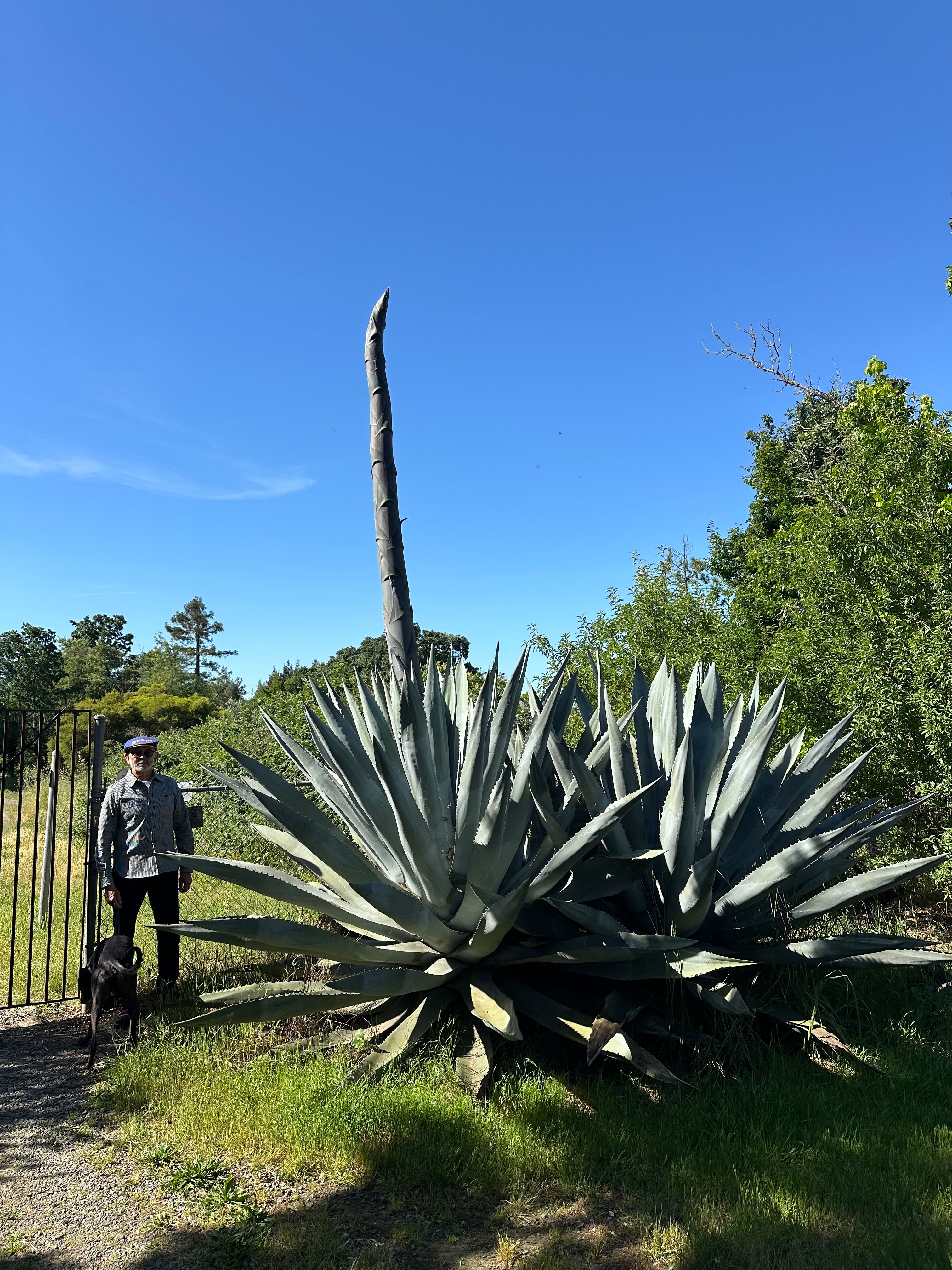
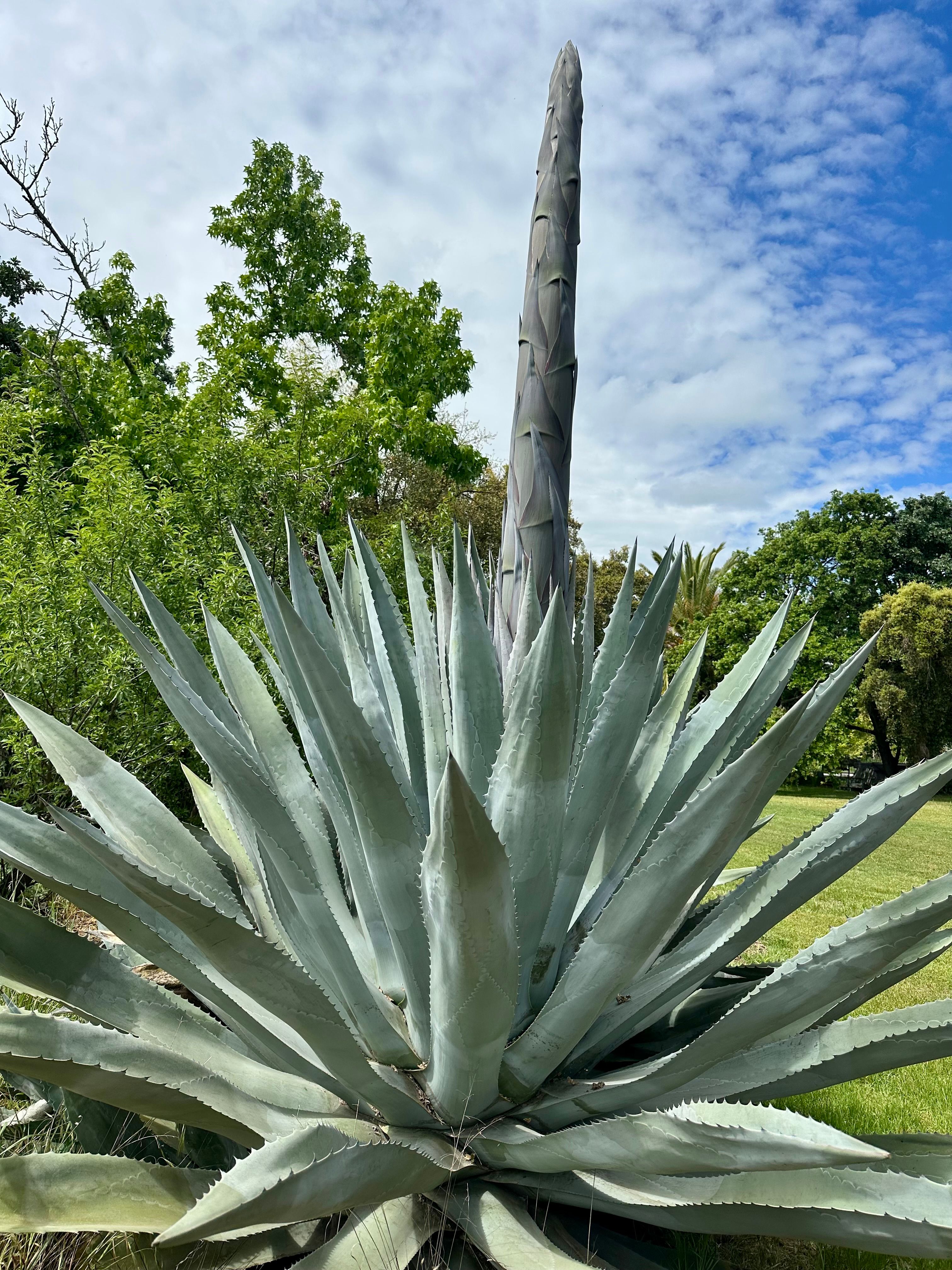
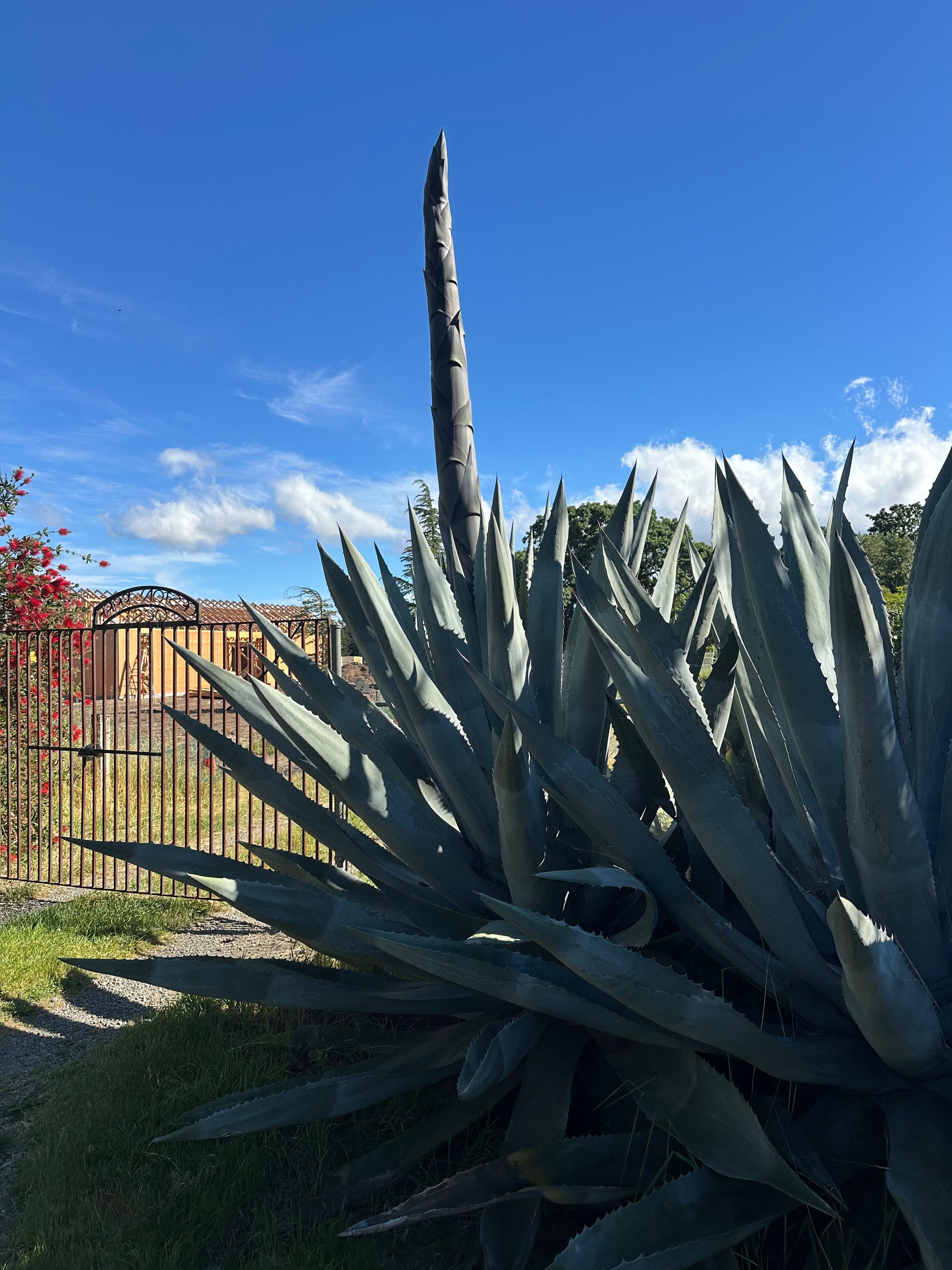
Here’s another shot of the Century plant. For scale, the top of that gate is 10 feet off the ground.
-
@wjw said in Gardening, landscaping and plants in general:
Century plants are cool, but If you're planting them, please do so away from powerlines. Those stalks grow so quick and tall they can grow into a power line quickly.
No worries mate,
No power lines in the vicinity.
Good advice though.Frank
-
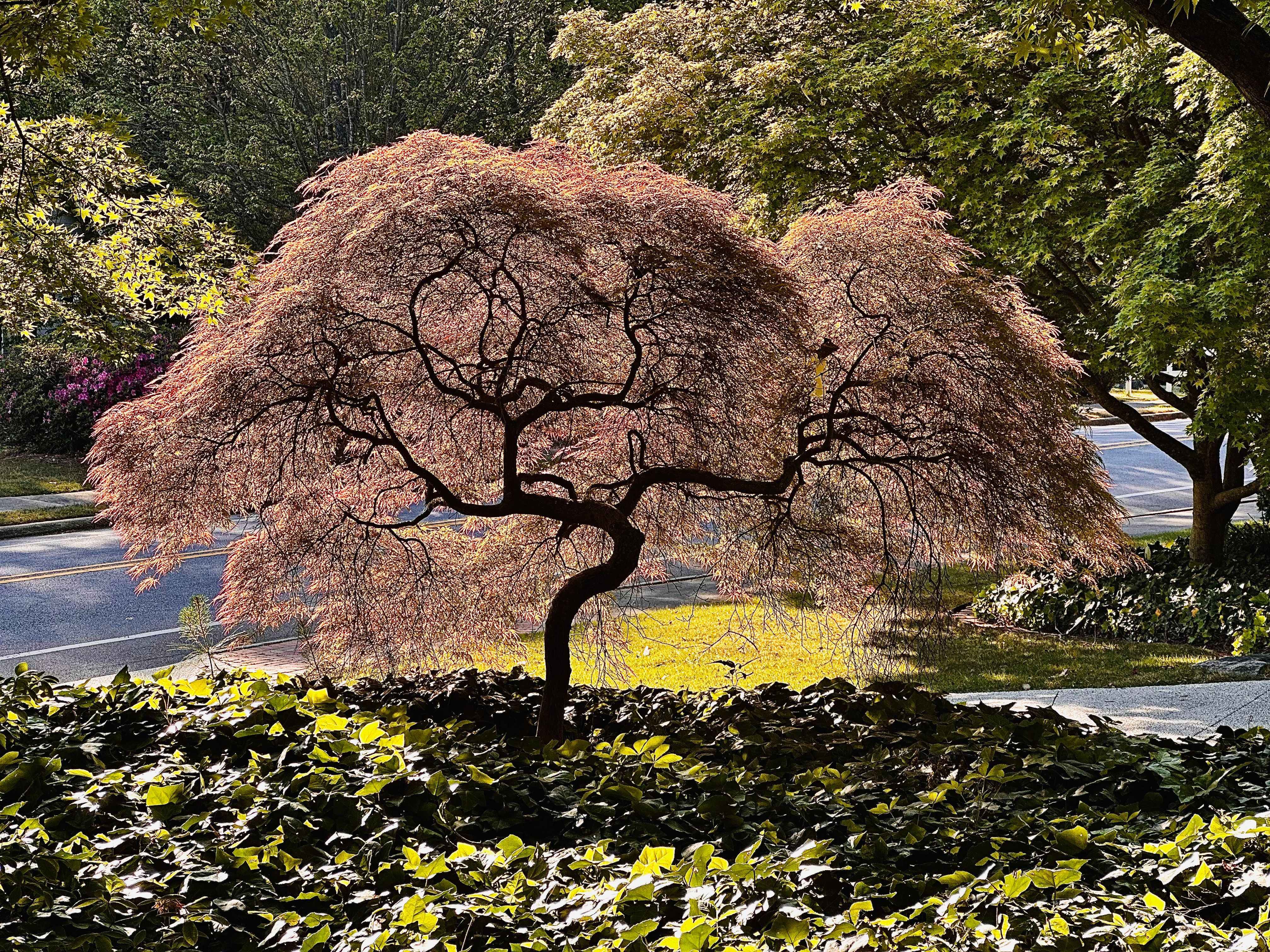
This time of year, the view from my dining room never gets old.
-
@SFMCfranky I work in vegetation management for a utility company, so figured I had to bring it up haha. They are pretty unique and awesome plants
-
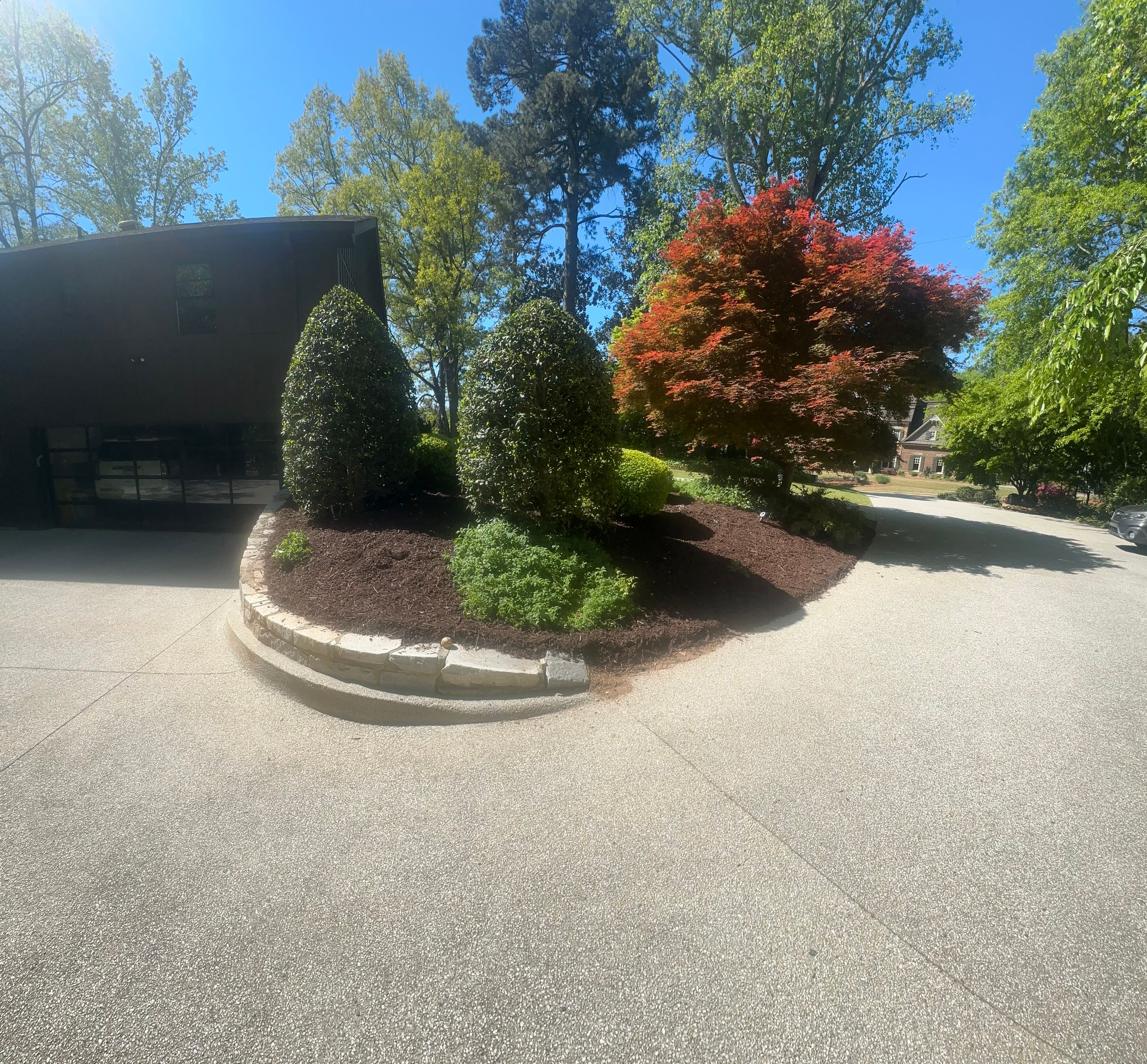
The mulch is finally down, but I’ve got to come clean. I waited until my yard guys came today I had every intention of doing it, but the pollen has been so bad I had to blow off the driveway the other day after posting and couldn’t continue with yard work.
My new little Ukigumo (Floating Cloud) maple is still going strong.
Question I’ve replaced the boxwood three times to the left of my front walkway by the front door. The one on the right does really well. The one on the left really struggles and is actually bare in the back. I’m wondering if the soil is contaminated or if it just needs to be amended?
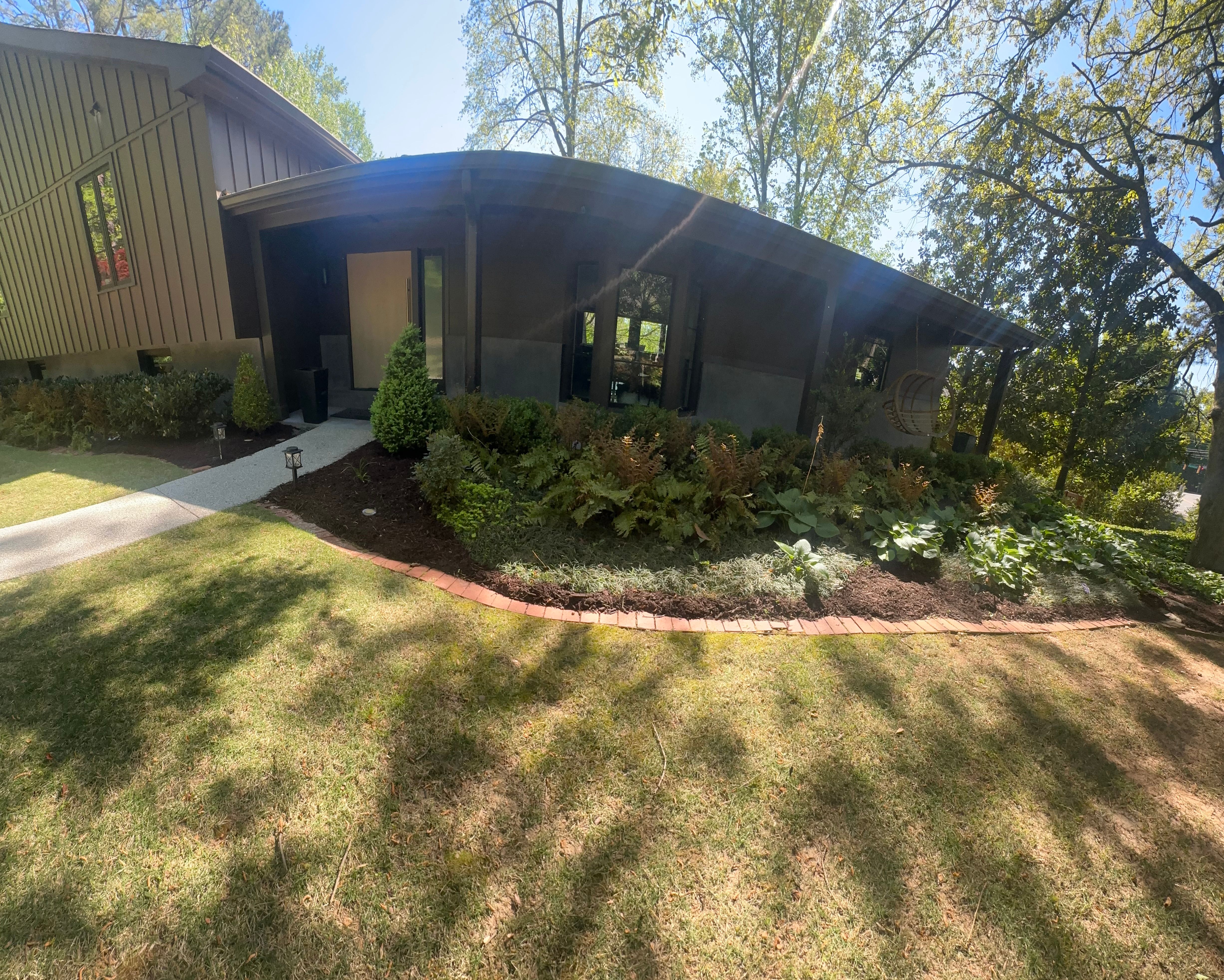
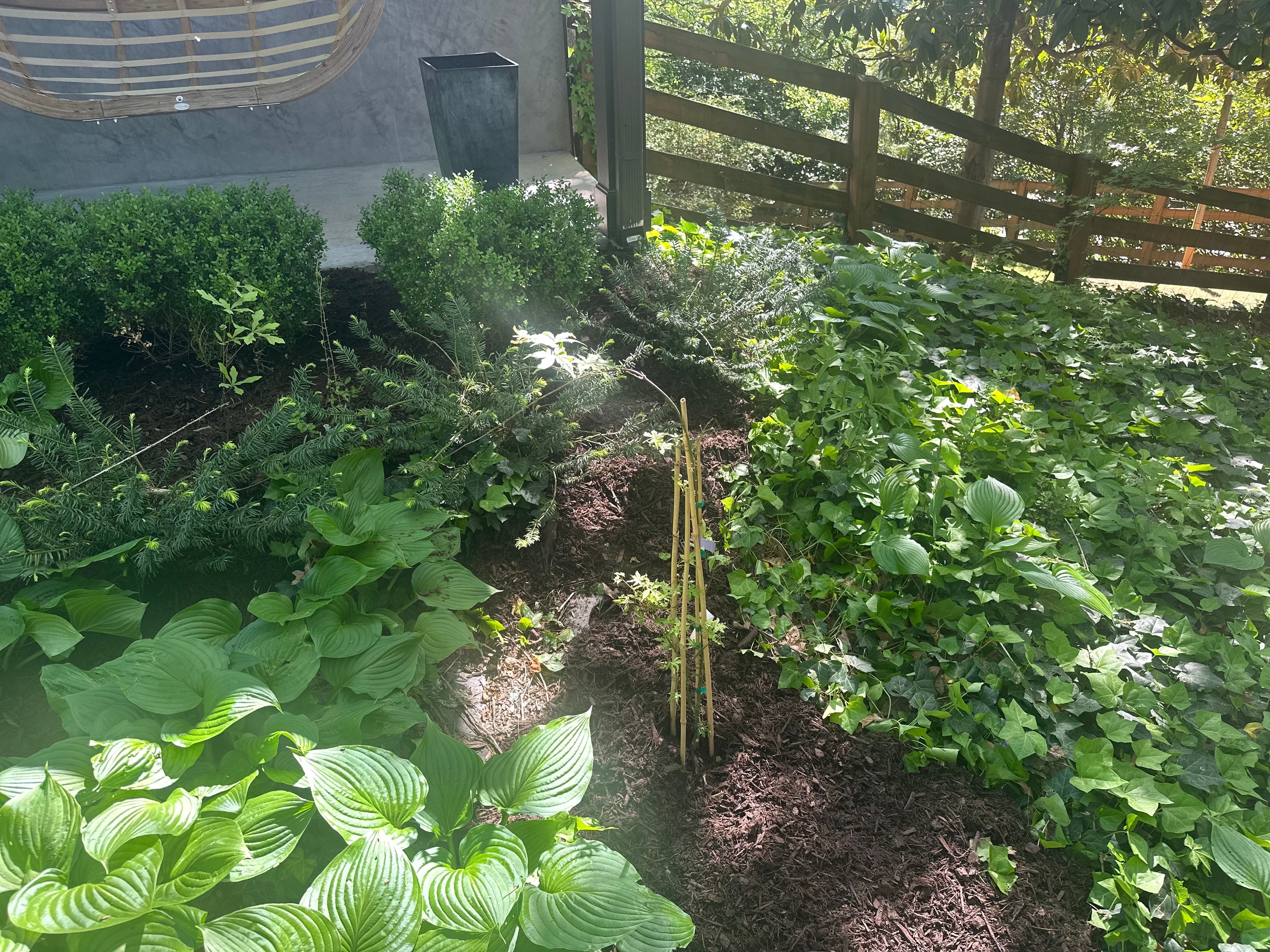
-
@northsouthdenimguy my first guess with your boxwood is a sun issue not soil. Generally a soil issue/environmental issues are widespread affecting multiple plants with similar symptoms. My guess with the struggling one being closer to your house, the house shades it a lot more, and that bare side of the plant is the shadier side, so it is putting more growth on the sun side to make up for it. Which if my guess is right, either accept the plant how it is, or a different plant may be more suitable for that location (though probably any plant is going to be more bare on the house side). But my hunch is just based off your one pic, and description, and I don't know much about boxwoods in general. Mulch in general is good as long as it's not touching the trunk/stems of plants and isn't overly deep. I do not think amending your soil will fix the bare side of your plant though, just how it is responding to its light conditions.
-ISA Arborist
-
Thanks!
I just did a little bit of research on it. I think it also may be a water issue. That gutter does overflow in super heavy lanes when the gutters need to be cleaned. Boxwoods do not like wet feet.
And if I remember correctly, I replaced the one on the right at the same time they both were kind of were struggling. The left was dead, but I wanted them to be a similar size and you can see how much the right has grown versus the left and the overall healthy mist of the leaves.
They both pretty much get the same amount of sun, the backside of the right although not bare isn’t as lush as the front.
I appreciate the responses! I’m probably going to pull it and check the soil. Also, I don’t know if they added some good planting soil when they swapped it out the last couple times… may just be red clay.
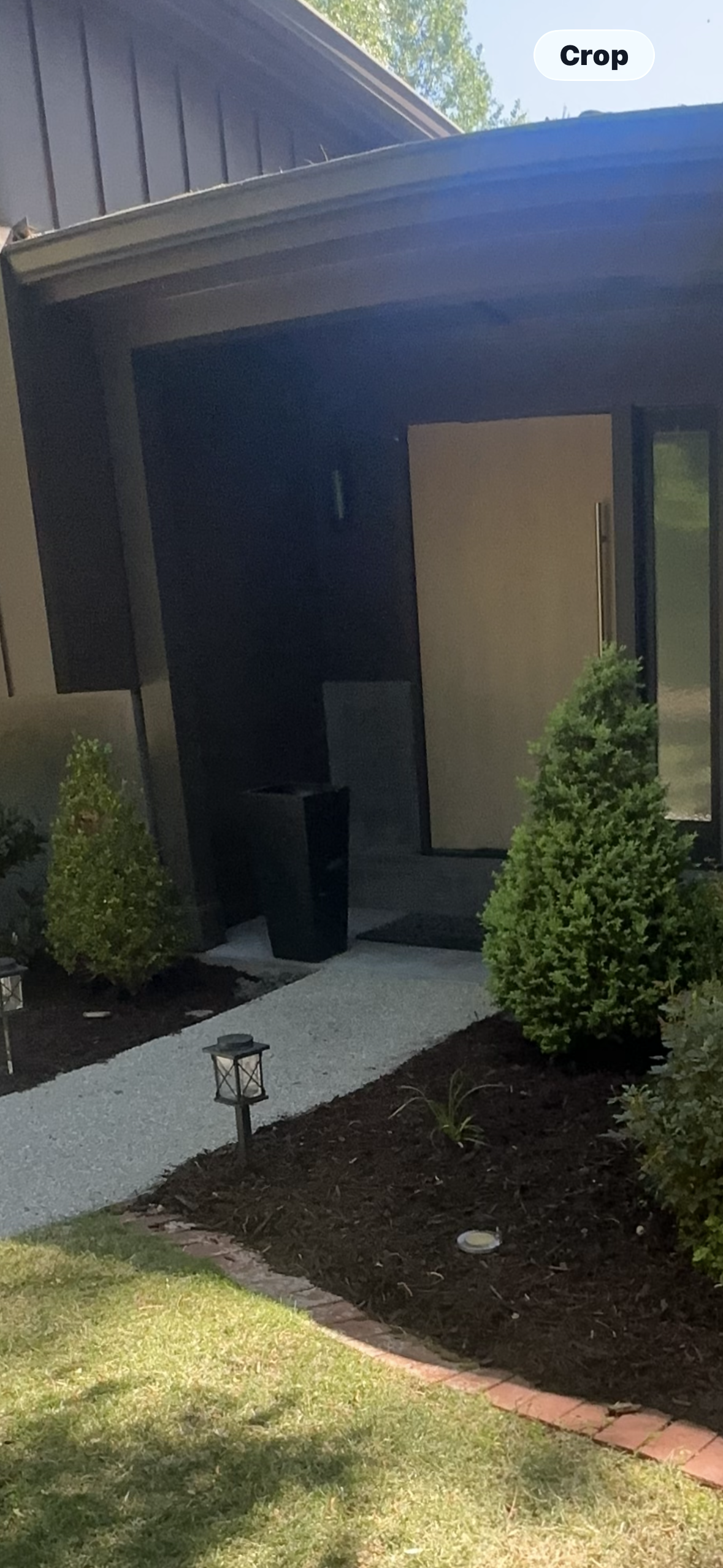
-
@northsouthdenimguy oops, totally thought you were talking about the bigger plants in the first pic. Yeah scratch the lighting--i imagine it's the same for the most part. The wet feet could definitely be a culprit, especially if you say that is where a lot of storm runoff goes.
Could potentially have some root rot going on. Root rot is generally a fungal thing caused by too much water. A thick layer of mulch can hold onto all that extra water for a long time too. It's still relatively small, so you could probably pull it out and check it out with not too much transplant shock. If you do pull it out, check out the roots. White and light brown are good roots. Really dark brown/black roots and potentially an odor is root rot and bad roots. If there are a lot of black roots you can try pruning those with some clippers. If you see the black affected roots, you at least not what the problem is and how to fix it. If all the roots look happy and healthy it may be something else.
When it comes to planting/replanting (shrubs/trees), the hole you make, makes a big difference too (didn't realize until I studied for the arborist exam). You want to think of a shallow bowl. The depth not exceeding the current root ball and tapering to the edges. Majority of roots are in first couple inches of soil surface. You don't want hard pack, but you don't want super loose soil either. And hand pack and water it as you back fill it. Too loose soil can lead to too big of air pockets, and heavy compacted soil can remove needed pore space. Also, you want your root collar/trunk flare above the soil surface (the transition of trunk to roots/widest part of trunk). And a little extra above soil surface, because over time with watering, soil settling, and mulch breaking down the soil level will increase. The above planting tips are especially useful for plants that tend to have over water problems.
Soil for planting trees and shrubs should also have a high content of native soil of where it is going to be planted, not just the nutrient rich soil you can buy. If you only use super fluffy bought soil and plant in kind of clay or compacted native soils, it can almost act like a barrier where the roots won't want to extend into the native soil, and can act like a bowl collecting water where water doesn't want to penetrate beneath your fluffy bought soil until saturated. I generally try and do about 50/50 nice soil to native soil, and use a hand tool to break up the glazed/compact edges of the planting hole. You can even do all native soil...spooky I know. Just throw some of your fancy soil or soil amendment as a top layer to decompose and provide nutrients to the soil beneath it. And organic mulch helps feed the soil nutrients as it breaks down too. With mulch just don't over do it, and know if your plants are ph sensitive (eg I use tons of redwood litter as mulch because it never ends and is free lol, but it is also acidic so I only use for acid loving plants).
Hope these tips help you @northsouthdenimguy , and anyone who plants a tree/shrub in the future.
-
Thanks for the pointers, definitely going pull it and replant it with your recommendations on the process.


-
One last quick tip with transplanting. The more established something is the more transplant shock it will go through. Generally late winter/early spring is best time to reduce transplant shock. And if you plan on transplanting something and can be patient. You can root prune with a spade the year or 2 years before transplant to help reduce transplant shock (more important with transplanting something more big and established). Plants do the majority of their root growth in the fall and winter.
-
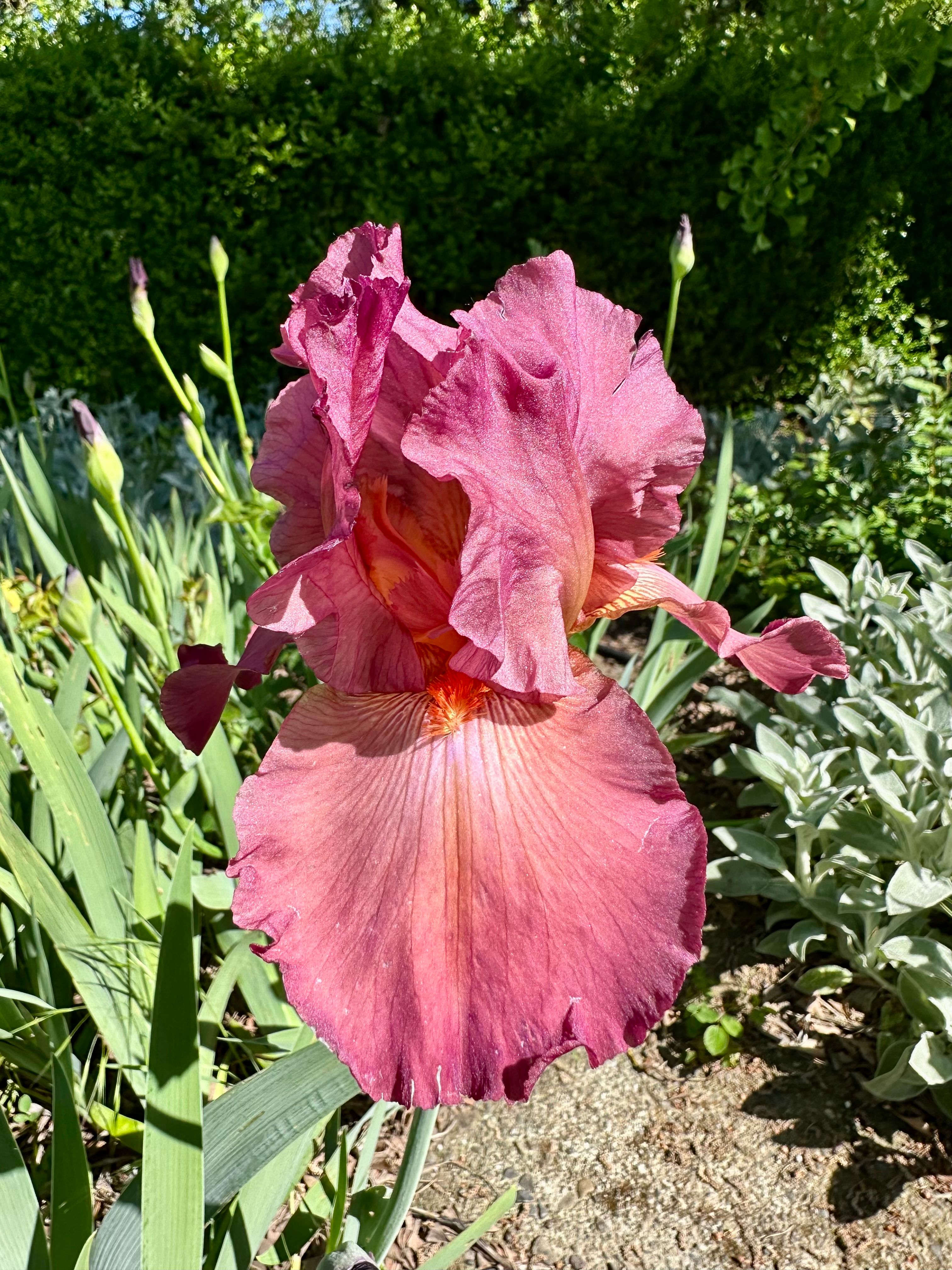
First one of the season:
-
@SFMCfranky Nice.
-
Shit’s getting serious here at Rancho Morales: